Mastering Class | New York
Introduction & Mixing Recap
- →Reference tracks
- →Speakers and headphones
- →Frequencies
- →Dynamic processing
- →Effects
- →Critical listening
Metering and Rendering
- →Gain staging
- →Meters used in mixing and mastering
- →Mixing groups
- →Rendering your premaster
- →How to prepare a mix for mastering
Introduction to Mastering
- →History of mastering
- →Setting up a mastering session
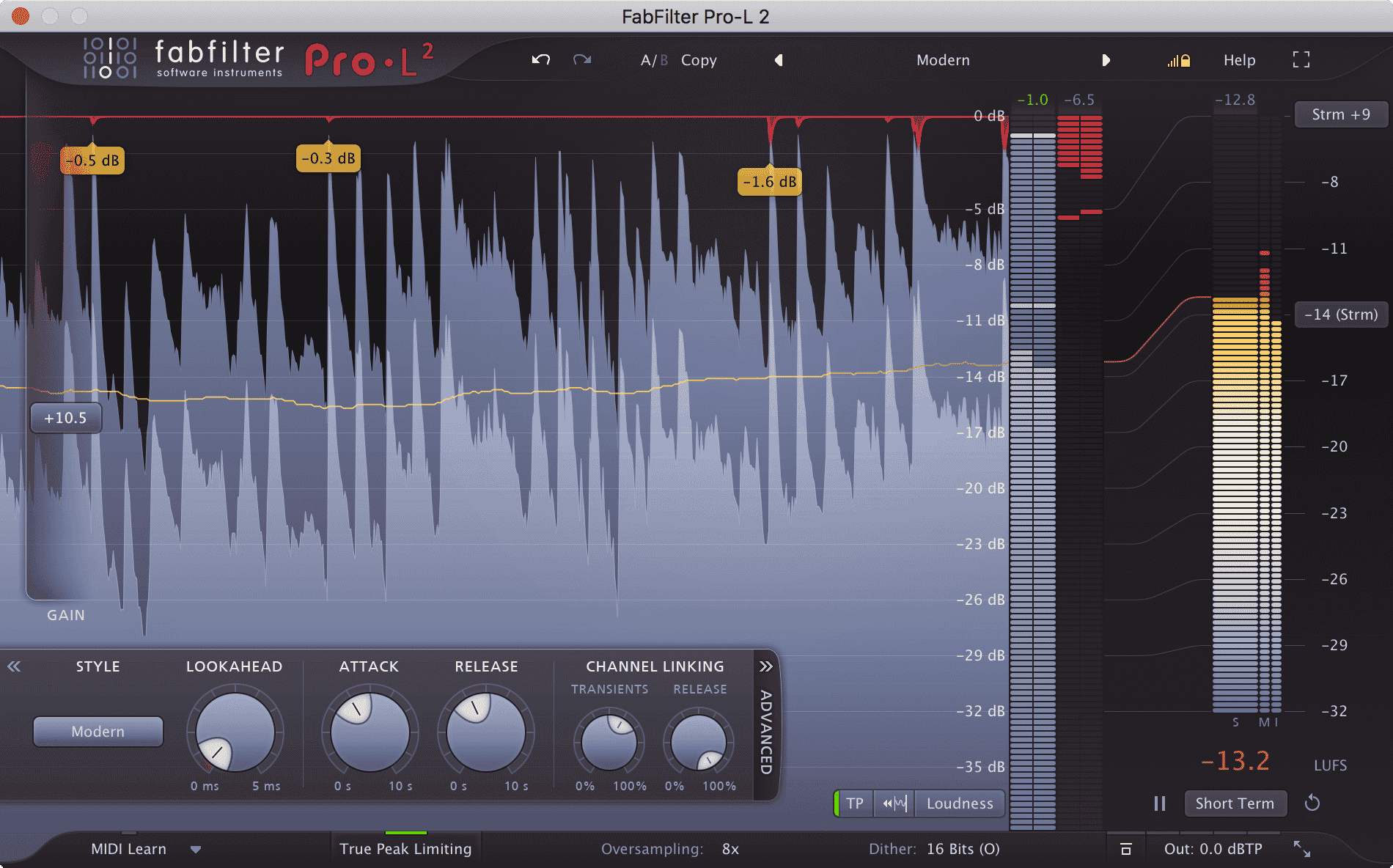
- →Overview of the Ozone and FabFilter suites
- →Critical listening
Mid/Side
- →What mid/side is
- →History of mid/side
- →Mid/side techniques
Maximizers
- →What a maximizer does
- →Ozone Maximizer and FabFilter Pro-L - a walk-through of every function
- →Practical use
Creating a Mastering Chain
- →Building an efficient mastering chain with Ozone and FabFilter
- →Step-by-step hands-on instruction
- →Modules and signal flow explained in depth
Metering, Phase & Dithering Analysis, Stem Mastering
- →Meters used in mastering
- →Phase and dithering
- →Stem mastering for clients
Advanced Mastering
- →Expanding your mastering chain
- →Using virtual-analog signal processors
Mastering for Streaming Audio & Broadcasting
- →Explanation and history
- →Modern-day application - what the platforms do to your master
Referencing, Finalizing, Exporting
- →How to reference
- →Finishing up
- →Exporting
- →Group critique
In our students' words.
“Private time with my instructor meant we could slow right down on the mixing techniques I was stuck on and skip past everything I already knew - nothing generic, nothing I'd already covered elsewhere.”
James Okafor
Instructors



Before you enrol.
Yes - the 360° Garnish Music Academy carries mastering inside a full production programme. Ask admissions about the next cohort.
Most students do - it is more affordable, and your session stays exactly as you left it. An iMac with the software loaded can be hired for a $75 supplement if you would rather not.
Yes. Every session runs in person in New York and live online at the same time, so you join whichever suits you.
Yes - controller keyboards and headphones are provided to everyone.
36 hours. Tuition is $1,799 when you book 14 or more days ahead, or $2,099 after that, plus a $200 registration fee.
$1,799 (14+ days out) / $2,099 otherwise, + $200 registration
Ready when you are.
InquireBalance: EQ and Mid/Side in Mastering
Tonal and stereo balance in mastering - broad EQ moves, linear-phase versus minimum-phase EQ, matching a reference's tonal curve, what mid/side is and where it came from, and mid/side EQ and compression in practice.
Read →Mastering: An Introduction to the Dark Art
What mastering is - making a record sound good on every system, in any situation, for good - why you master, a short history from wax cylinders to WAVs, and the mindset of a mastering engineer.
Read →Setting Up a Mastering Session
A five-element mastering session - premaster, master bus, print channel, reference track and meter bus - with the routing, the reasons behind each element, and how to avoid degrading audio along the way.
Read →Portability: Masters That Translate
Making a master work everywhere people listen - phones, earbuds, cars, laptops, smart speakers and clubs - with mono compatibility, low-end translation, codec checks, and a translation checklist.
Read →Mastering
Mastering is a vital part of the recording process, so much so that a substantial amount of ‘mystery’ is associated with it. We’ve all heard stories of…
Read →How to Make a Premaster
Preparing a mix for mastering - peak and RMS targets, crest factor, checking frequency balance against references, monitoring at soft and club levels, and the rules for rendering: no normalising, no dither, no MP3, stereo, 24-bit.
Read →